
Ha Noi digitalizes urban traffic management with AI
VGP - Ha Noi has taken another step toward modernizing urban management by putting its Intelligent Traffic Control Center into operation, initially equipped with more than 1,800 artificial intelligence (AI)-enabled cameras.
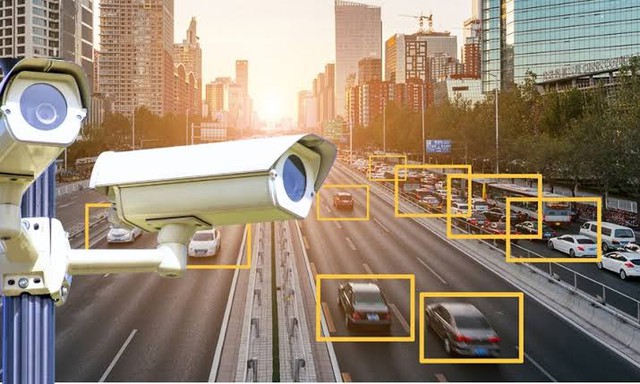
Illustration photo
The system is designed not only to strengthen traffic surveillance and enforcement but also to optimize traffic flow, ease congestion, and lay the foundation for a smarter and more sustainable urban transport network.
After one month of operation, the AI-powered camera system detected more than 6,350 traffic violations with sufficient evidence to support automated traffic fine notifications in accordance with regulations. Beyond enforcement, however, the system's primary objective is to improve traffic management through real-time monitoring and data-driven signal control.
The Intelligent Traffic Control Center is currently connected to more than 180 AI-enabled traffic signal controllers across the city. By collecting and analyzing real-time traffic data, the system can automatically adjust traffic signal cycles based on vehicle volumes at individual intersections.
According to Lieutenant Colonel Bui Thi Thom of the Traffic Command and Signal Control Unit under Hanoi's Traffic Police Division, the AI system is capable of analyzing traffic density at different times of the day and optimizing signal timings accordingly. This helps shorten waiting times at red lights and improve traffic throughput at busy intersections.
The technology also provides early warnings of locations at risk of congestion, enabling traffic authorities to intervene remotely and promptly implement traffic management measures. As a result, congestion, particularly during morning and evening rush hours, has shown noticeable improvement.
The benefits of AI-based traffic management are already evident on several major roads. On Tran Hung Dao Street, for example, the average traffic speed has increased from around 17 km/h to between 25 and 35 km/h since the intelligent traffic control system was introduced, helping reduce congestion in the city center.
According to Lieutenant Colonel Dao Viet Long, Deputy Head of Ha Noi's Traffic Police Division, the city has more than 5,000 intersections, while the current AI camera network covers only part of the demand. Once the second phase of the project is completed and the system is fully integrated, AI is expected to become a powerful tool for reducing traffic congestion and accidents while promoting greater compliance with traffic regulations.
Another key advantage of the system is its ability to synchronize traffic signals along entire corridors, allowing vehicles to move more continuously and reducing repeated stops that often lead to localized congestion.
Under the city's roadmap, Hanoi will install an additional 5,000 AI cameras during the first half of this year, followed by another 13,000 by the end of the year, bringing the total to approximately 20,000 AI-enabled cameras citywide. The expanded network is expected to provide a critical foundation for building a modern, intelligent transportation system capable of meeting the demands of a rapidly growing city in the digital transformation era./.